Call Us
AI TRACKING
● REC 00:14:32
- Mon - Fri 10:00 - 18:00, Sat 10:00 - 15:00, Sunday - CLOSED
- Email: sales@israintech.com

-
-


WhatsApp
+92 321 1114772
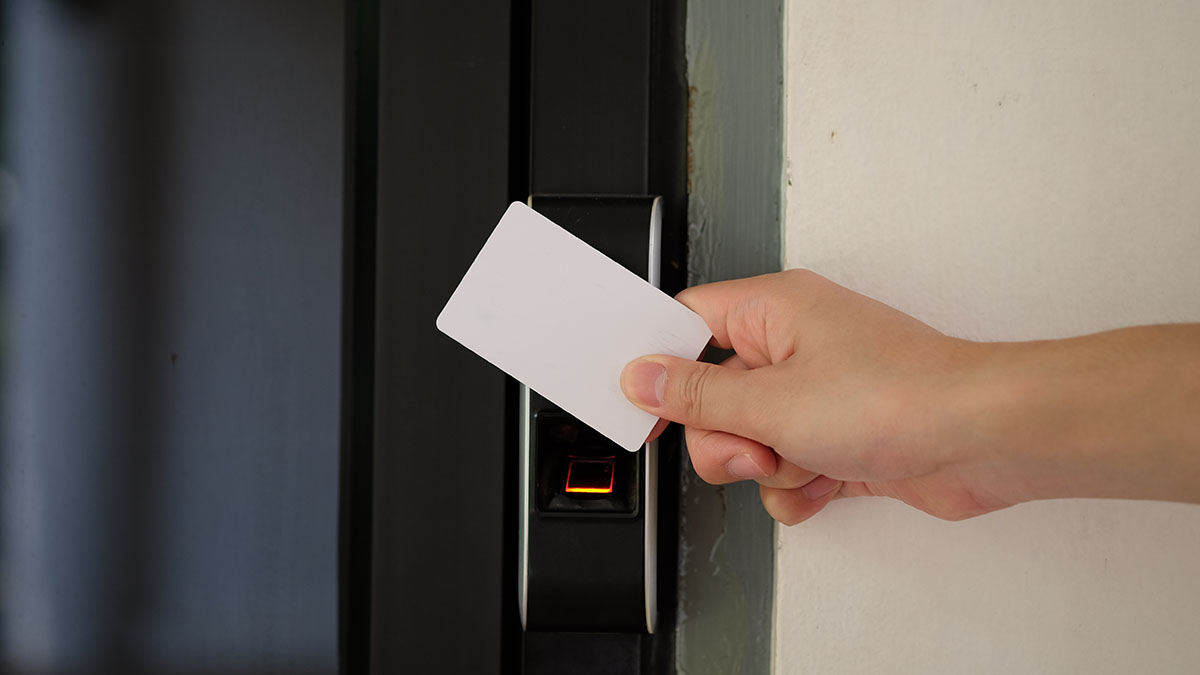
Most businesses don’t think about access control until something goes wrong, a lost key that makes the whole office vulnerable, an ex-employee who still has a copy, or simply not knowing who’s actually in the building after hours. If any of the situations below sound familiar, it’s a sign your office has outgrown lock-and-key security.
1. You’ve Changed Locks After an Employee Left
If a departing employee had a physical key, the only way to guarantee they can’t get back in is to change the locks, an expensive, disruptive habit to repeat every time someone leaves. With access control, revoking a former employee’s access takes seconds: disable their card or code from the system, and they’re locked out instantly, no locksmith required.
2. You Have No Record of Who Entered, or When
A traditional lock tells you nothing after the fact. If there’s a dispute, a missing item, or a security incident, you have no way to know who was on-site and when. Access control systems log every entry attempt, successful or denied, with a timestamp, giving you an audit trail you simply can’t get from a physical key.
3. Different Areas Need Different Permission Levels
Not everyone in your building should have access to everywhere in it, server rooms, finance offices, and storage areas often need to be restricted to specific staff. Managing this with physical keys means juggling multiple key sets or, more commonly, just not restricting access at all. Access control lets you assign different permission levels to different doors for different people, all from one system.
4. You’re Managing Multiple Shifts or Contractors
If your business runs shifts, or regularly has contractors, vendors, or temporary staff needing building access, physical keys become a logistics headache fast. Access control lets you set time-based permissions, giving someone access only during their shift window or contract period, and automatically expiring it afterward.
5. You Want Access Control Tied to Attendance
Many modern access control systems double as attendance tracking, the same card or biometric scan that unlocks the door also logs the employee’s check-in time. For businesses already looking at biometric attendance, combining the two into a single system reduces hardware costs and gives you one unified record instead of two separate ones.
Card, PIN, or Biometric: Which Fits Your Office?
Card and fob-based systems are the most common starting point, affordable and easy to manage, though cards can be lost or shared. PIN codes add a layer of security but can be shared just as easily as a card. Biometric access (fingerprint or facial recognition) offers the strongest security since it can’t be lent, lost, or duplicated, making it the right choice for higher-security areas like server rooms or finance departments.
Israintech installs access control systems for offices, factories, and institutions across Lahore, using trusted hardware from Granding and ZKTeco. Learn more about our access control solutions or contact us for a free site assessment.

Leave A Comment