Call Us
AI TRACKING
● REC 00:14:32
- Mon - Fri 10:00 - 18:00, Sat 10:00 - 15:00, Sunday - CLOSED
- Email: sales@israintech.com

-
-


WhatsApp
+92 321 1114772
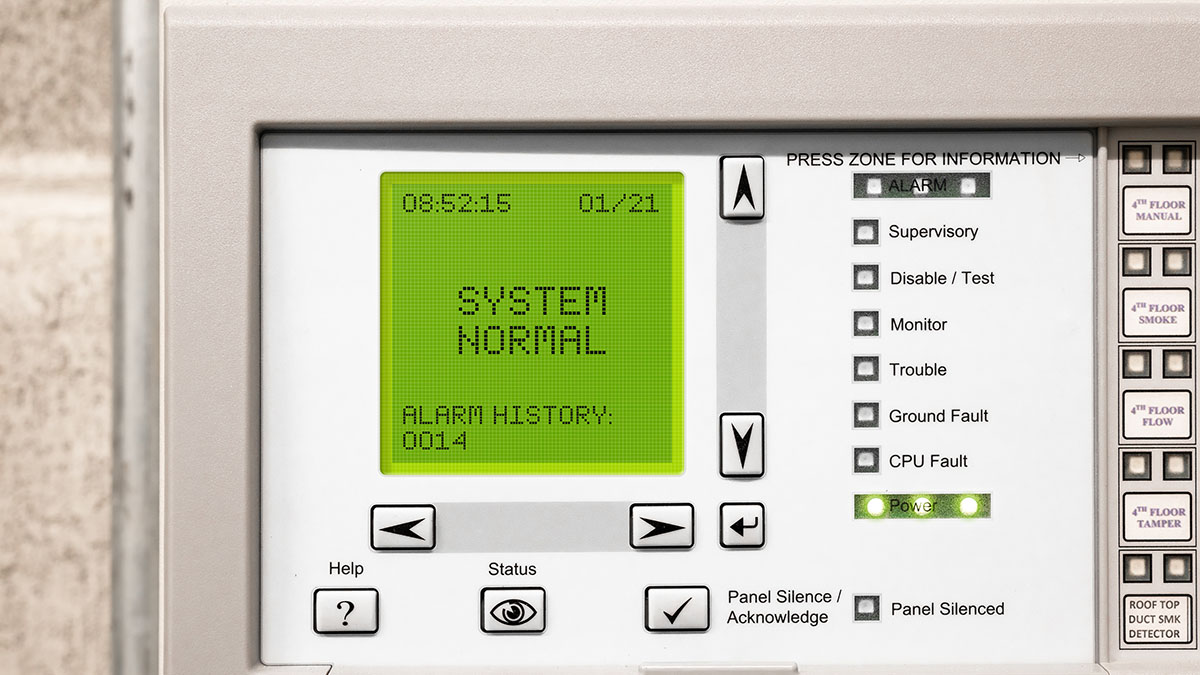
When it comes to fire alarm systems, one of the first decisions any building owner has to make is addressable or conventional. Both systems detect fire and sound an alarm, but they work very differently, and choosing the wrong one for your building can mean slower response times when it matters most. Here’s how to think through the decision.
How Conventional Fire Alarm Systems Work
In a conventional system, detectors are wired together in zones, groups of devices covering a general area of the building, and connected back to a central control panel. When any detector in a zone triggers, the panel tells you which zone the alarm came from, but not the exact device. If a zone covers an entire floor, staff would need to physically search that whole floor to find the source.
How Addressable Fire Alarm Systems Work
In an addressable system, every single detector and device has its own unique identifier on the network. When a detector triggers, the control panel tells you exactly which device activated, not just “third floor,” but “Room 304, smoke detector 2.” This precision dramatically cuts down the time it takes staff or emergency responders to locate and respond to the actual fire.
Side-by-Side Comparison
| Conventional | Addressable | |
| Fault location | Identifies zone only | Identifies exact device |
| Best for | Small buildings, single-zone spaces | Large or multi-floor buildings |
| Wiring | Simpler, zone-based wiring | Networked loop wiring |
| Scalability | Limited, adding zones gets complex | Easily expandable |
| Response speed | Slower (manual search required) | Faster (exact location known) |
When Conventional Makes Sense
For small, single-floor buildings, small retail units, standalone offices, or small warehouses, conventional systems remain a solid, cost-effective choice. If the entire protected area is small enough that a zone alarm still gets staff to the fire quickly, the added precision of an addressable system may not be necessary.
When Addressable Is the Right Call
For multi-floor commercial buildings, factories, hospitals, schools, or any facility where locating a fire quickly is critical, addressable systems are the clear choice. They’re also easier to expand as a building grows, and most fire codes for larger or high-occupancy buildings require the precision addressable systems provide.
It’s Not Just About the Panel
Whichever system you choose, proper design matters as much as the equipment itself, detector placement, coverage of blind spots, integration with sprinklers and evacuation systems, and compliance with local fire safety codes. A poorly designed addressable system offers little advantage over a well-designed conventional one.
Israintech designs and installs both addressable and conventional fire alarm systems using trusted brands including Honeywell, Gent, and Global, tailored to your building’s layout and risk profile. Learn more about our fire alarm solutions or contact us for a free site assessment.

Leave A Comment