Call Us
AI TRACKING
● REC 00:14:32
- Mon - Fri 10:00 - 18:00, Sat 10:00 - 15:00, Sunday - CLOSED
- Email: sales@israintech.com

-
-


WhatsApp
+92 321 1114772
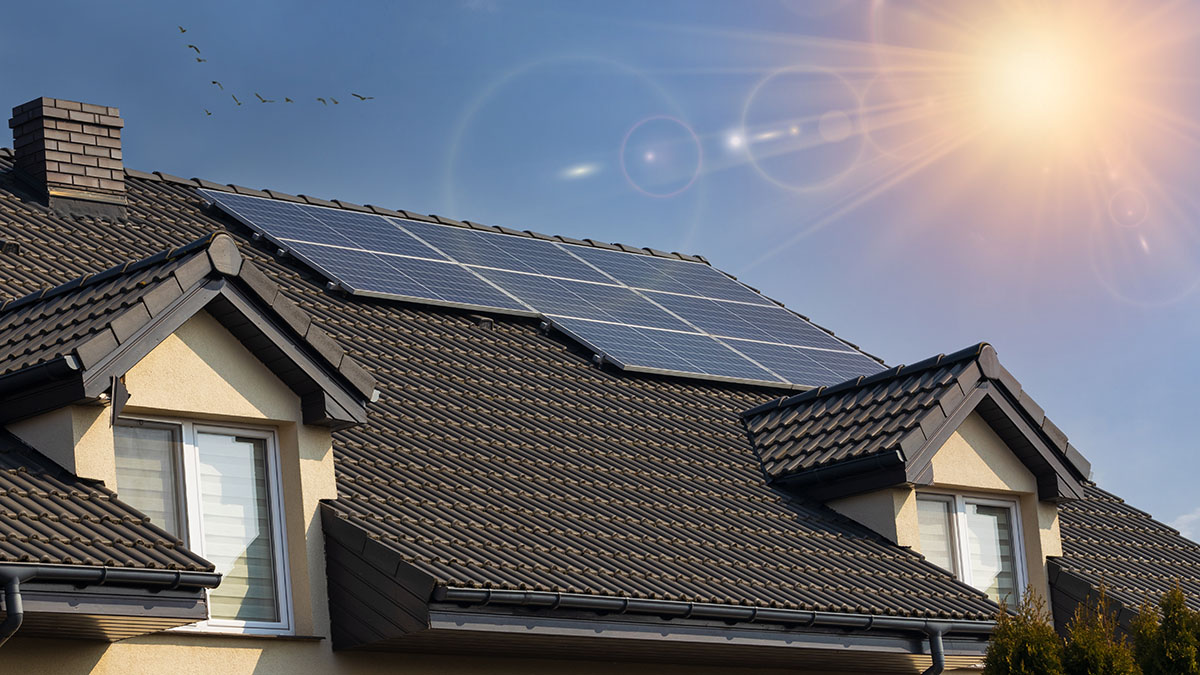
Solar technology in Pakistan has moved fast in the last two years. If you last looked into solar even 18 months ago, several things have changed — the panels themselves, how inverters work, and even the rules around net metering. Here’s what’s actually new in 2026, explained without the sales pitch.
1. Panels: N-Type TOPCon has taken over
Most new installations in Pakistan now use N-Type TOPCon and bifacial panels instead of the older Mono PERC panels that dominated a few years ago. The practical difference for a homeowner or business:
- Higher conversion efficiency (21%+), meaning more power from the same roof space
- Better performance in Pakistan’s intense summer heat and in low-light/cloudy conditions
- Slower performance degradation over the system’s lifetime — meaning the system still produces close to its rated output many years in
2. Hybrid inverters are now the default, not the exception
A few years ago, most residential systems were simple on-grid setups — solar during the day, grid power the rest of the time, no protection during loadshedding. That’s changed. Hybrid inverters, which combine grid connection with battery backup, have overtaken plain on-grid installations for new installs in Pakistan. The advantage is straightforward: your system keeps running through loadshedding using battery storage (typically LiFePO4 batteries, which last longer and are safer than older battery chemistries), while still exporting excess power to the grid when the sun is up.
3. The net metering shift to net billing
This is the change worth understanding before you install. NEPRA has been moving new consumers from the traditional net metering model to a net billing model under its Prosumer Regulations. The practical effect is in how excess exported power gets credited — it changes the payback math, which is exactly why getting professional guidance on system sizing matters more now than it did two years ago, rather than just buying “the biggest system you can afford.”
4. Storage is becoming part of the standard system, not an add-on
Because of the shift above, more installations are being designed from day one with battery storage included — not bolted on later. The logic: with net billing changing how much value you get from simply exporting power to the grid, storing your own excess power for night-time use is becoming the more reliable way to cut your electricity bill.
5. What we’re actually seeing on the ground in Lahore
We’ve installed residential solar systems ranging from 8kW to 30kW across DHA, Bahria Town, Jubilee Town, Faisal Town, Township, Johar Town, Gulberg, Wapda Town, and Lake City — covering everything from single-family homes to larger properties with higher energy needs. System sizing varies a lot house to house, which is why a proper site survey (roof orientation, shading, actual consumption pattern) matters more than picking a size off a price list.
Choosing a solar installer in 2026
A few practical questions worth asking any installer:
- Are they quoting N-Type TOPCon/bifacial panels, or older stock?
- Is the inverter hybrid-capable, even if you don’t install batteries on day one?
- Do they explain how net billing affects your specific payback timeline, or just quote a generic number?
- Do they offer ongoing maintenance, not just installation?
If you’re evaluating a solar system for your home or business in Lahore, Isra Innovative Technologies can walk you through system sizing based on a real site assessment — get in touch for a free consultation.

Leave A Comment