Call Us
AI TRACKING
● REC 00:14:32
- Mon - Fri 10:00 - 18:00, Sat 10:00 - 15:00, Sunday - CLOSED
- Email: sales@israintech.com

-
-


WhatsApp
+92 321 1114772
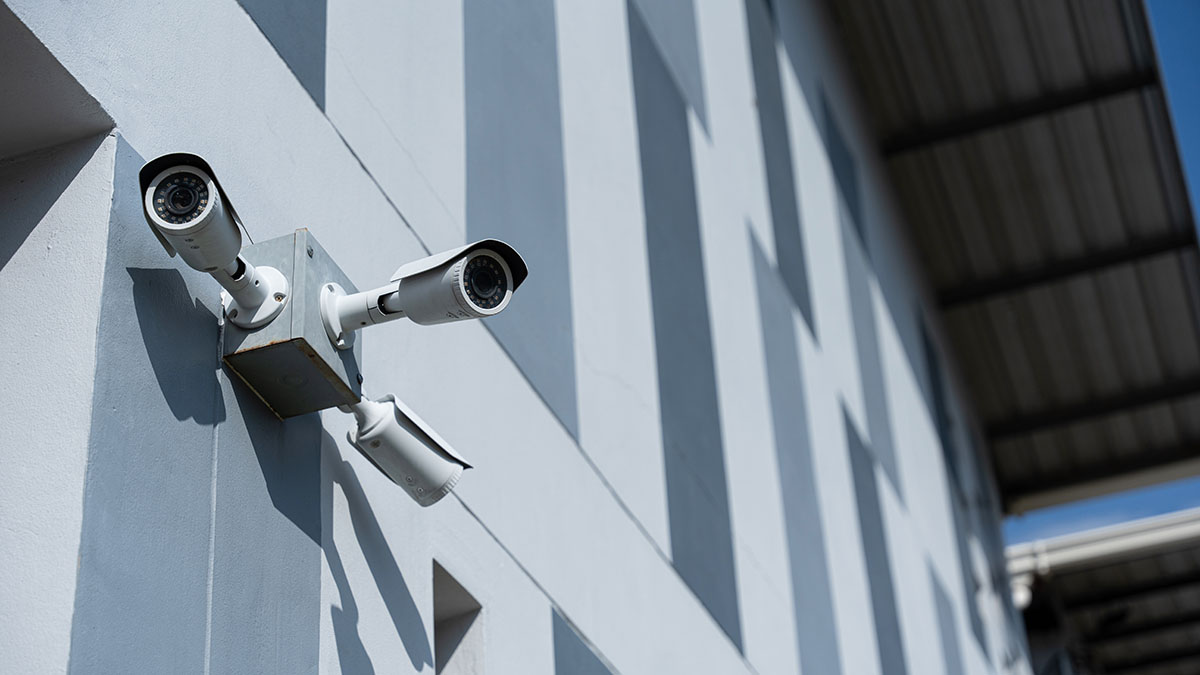
Walk into any electronics market in Lahore and you’ll find a dozen shops all claiming to sell the “best” CCTV cameras. For a business owner who isn’t a security expert, that’s not helpful, it’s overwhelming. The truth is there’s no single “best” camera. There’s only the right system for your specific site, risks, and how you plan to use the footage. This guide breaks down exactly how to think through that decision.
Start With What You’re Actually Trying to Protect
Before comparing camera specs, define the problem. A retail shop worried about shoplifting needs different coverage than a factory worried about perimeter breaches, or an office worried about after-hours access. Walk your site and identify:
- Entry and exit points (doors, gates, loading bays)
- Cash handling or high-value inventory areas
- Blind spots and poorly lit corners
- Outdoor perimeter and parking areas
IP vs Analog: Which Makes Sense for You
Most new installations in Lahore today go with IP (network) cameras rather than older analog systems, and for good reason: sharper resolution, easier remote viewing, and better AI-based analytics like motion and face detection. Analog systems can still make sense for smaller budgets or simple coverage needs, but they cap out on image quality and flexibility. If you’re building new infrastructure, IP is almost always the better long-term choice.
Resolution: More Megapixels Isn’t Always Better
A higher megapixel count means more detail, useful for zooming into a face or number plate after an incident, but it also means more storage and bandwidth. For general area coverage, 2MP to 4MP is usually enough. For entrances, cash counters, or gate cameras where identification matters most, 4MP to 8MP gives you the extra detail worth having.
Don’t Overlook Low-Light Performance
Most security incidents, break-ins, theft, vandalism, happen at night or in low light. A camera that looks great on a bright showroom demo can produce useless, grainy footage after dark. Look for cameras with strong low-light sensors or built-in IR (infrared) night vision, and for higher-risk areas, consider cameras with color night vision for better identification.
Plan for Storage and Remote Access From Day One
Footage is only useful if you can actually retrieve it when you need it. Decide upfront how many days of footage you need to retain (30 days is a common baseline for businesses) and whether you want cloud backup in addition to local NVR/DVR storage. Also confirm the system supports a reliable mobile app so you, or your security team, can check live feeds remotely.
Work With an Installer Who Designs for Your Site, Not a Generic Package
The biggest mistake businesses make is buying a fixed “4-camera package” without anyone actually assessing the site. Camera placement, angle, and coverage overlap matter more than raw specs. A proper installer will walk your premises, identify blind spots, and design a layout around your actual risks, not just sell you units.
Israintech has been designing and installing CCTV systems for corporate, industrial, and government clients across Lahore since 2009, including facilities for Punjab Police and Fatima Fertilizer. If you’d like a free, no-obligation site assessment for your business, get in touch with our team and we’ll walk you through the right setup for your specific site.

Leave A Comment